
Choosing the right hair care products is an important part of maintaining clean, manageable, and healthy-looking hair. Traditional liquid shampoos are widely used, but shampoo bars have become an alternative for consumers interested in convenient formats and reducing unnecessary packaging.
Natural shampoo bars combine cleansing ingredients with solid formulations designed for regular hair care. They are available in different varieties to suit different hair types and preferences. Understanding their ingredients, benefits, and proper usage can help you decide whether a shampoo bar is a suitable addition to your hair care routine.
What Is a Natural Shampoo Bar?
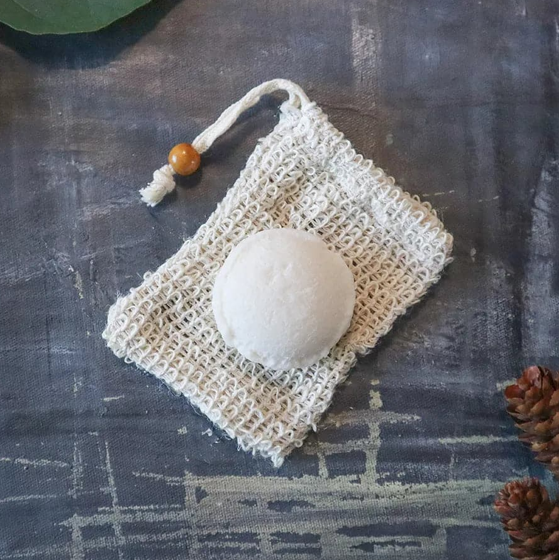
A natural shampoo bar is a solid hair cleansing product designed to clean the scalp and hair without the traditional liquid format. It typically contains cleansing agents, conditioning ingredients, and other components selected for hair care.
Unlike conventional liquid shampoos, solid shampoo bars generally require less packaging and do not need large plastic bottles for storage.
A quality natural shampoo bar can be a practical option for consumers looking for an alternative hair cleansing format.
See also: Luxury Women’s Activewear: How to Invest in Pieces That Combine Performance, Comfort, and Style
Why Are Shampoo Bars Becoming Popular?
Shampoo bars are gaining attention because of their compact design, convenient application, and potential to reduce packaging waste.
1. Reduced Packaging Requirements
Traditional liquid shampoos are commonly sold in plastic bottles. Solid shampoo bars can reduce the need for bulky liquid packaging.
Many shampoo bars are packaged using cardboard or other alternative materials, depending on the manufacturer.
Choosing products with minimal packaging can support more thoughtful purchasing decisions.
2. Compact and Travel-Friendly Design
Shampoo bars are generally smaller and more compact than conventional shampoo bottles. Their solid format makes them convenient to carry when traveling.
They can also be stored in suitable containers to keep them dry between uses.
3. Convenient Hair Cleansing
Shampoo bars are designed to cleanse the scalp and hair through direct application or by creating lather in the hands.
Their application method may take some adjustment for people who are accustomed to liquid shampoo, but the process is straightforward once the correct technique is established.
Understanding the Ingredients in Natural Shampoo Bars
The ingredients used in shampoo bars influence their cleansing performance, texture, and suitability for different hair types.
Plant-Derived Ingredients
Some shampoo bars include plant-derived ingredients such as botanical extracts and naturally sourced oils.
These ingredients may contribute to the formulation’s conditioning properties and overall product characteristics.
However, natural ingredients are not automatically suitable for everyone. Individual sensitivities and allergies should always be considered.
Cleansing Ingredients
Cleansing agents help remove excess oil, dirt, and product buildup from the scalp and hair.
Different shampoo bars use different cleansing systems. Checking the ingredient list can help you understand how a particular product is formulated.
Conditioning Ingredients
Some formulations include ingredients intended to improve hair softness and manageability.
The conditioning properties depend on the ingredients and their concentrations. Choosing a suitable formulation is important for maintaining comfortable, manageable hair.
Different Types of Shampoo Bars
Shampoo bars are available in several formulations designed to address different hair care preferences.
Moisturizing Shampoo Bars
Moisturizing shampoo bars are formulated with ingredients intended to help maintain hair softness and manageability.
They may be suitable for people who prefer cleansing products that also include conditioning components.
Nourishing Shampoo Bars
Nourishing formulations may contain oils, botanical ingredients, and conditioning agents.
Their purpose is to provide cleansing while supporting the feel and manageability of the hair.
Everyday Cleansing Shampoo Bars
Some shampoo bars are designed for regular hair cleansing. These formulations focus on removing accumulated dirt, excess oil, and styling product residue.
The appropriate frequency of use depends on your scalp condition, hair type, and the specific formulation.
How to Choose the Right Shampoo Bar for Your Hair Type
Selecting a shampoo bar requires considering your hair texture, scalp condition, and cleansing preferences.
Shampoo Bars for Dry Hair
People with dry hair may prefer formulations containing conditioning ingredients and suitable oils.
Look for products designed to support softness and reduce the feeling of dryness after washing.
Shampoo Bars for Oily Hair
Oily scalps may benefit from cleansing formulations that effectively remove excess sebum without leaving the scalp feeling excessively dry.
Avoid over-washing or using aggressive cleansing products, as these may contribute to scalp discomfort.
Shampoo Bars for Normal Hair
People with normal hair may prefer balanced formulations designed for regular cleansing.
A suitable product should clean the scalp without leaving the hair feeling excessively stripped or difficult to manage.
Shampoo Bars for Different Hair Textures
Curly, straight, wavy, and textured hair can have different cleansing and conditioning requirements.
Consider the formulation, application method, and conditioning needs of your hair before selecting a shampoo bar.
How to Use a Shampoo Bar Correctly
Using a shampoo bar properly helps create an effective cleansing routine.
Step 1: Wet Your Hair Thoroughly
Begin by rinsing your hair and scalp with lukewarm water. Make sure the hair is completely wet before applying the shampoo bar.
Step 2: Create a Lather
Wet the shampoo bar and rub it gently between your hands to create a lather.
Alternatively, some shampoo bars can be applied directly to wet hair using gentle movements. Follow the manufacturer’s application instructions.
Step 3: Massage the Scalp
Use your fingertips to distribute the lather across your scalp. Massage gently to remove accumulated oil, dirt, and product residue.
Avoid scratching the scalp with your nails.
Step 4: Rinse Thoroughly
Rinse your hair with clean water until the shampoo is completely removed.
Any remaining residue can affect the feel and appearance of your hair.
Step 5: Allow the Bar to Dry
After use, place the shampoo bar on a draining soap dish or another well-ventilated surface.
Allowing it to dry between uses can help prevent unnecessary softening and extend its usable life.
Natural Shampoo Bars vs. Liquid Shampoo
Both shampoo bars and liquid shampoos are designed to cleanse the scalp and hair, but they differ in format, packaging, and storage requirements.
| Feature | Shampoo Bars | Liquid Shampoo |
| Form | Solid | Liquid |
| Packaging | Often cardboard or compact packaging | Commonly plastic bottles |
| Storage | Requires a dry storage area | Usually stored in its original bottle |
| Travel | Compact and convenient | May require leak-proof packing |
| Application | Requires lathering with water | Usually applied directly |
| Product selection | Available in different formulations | Available in many formulations |
The better option depends on personal preferences, ingredient requirements, and hair care needs.
How to Store Shampoo Bars for Longer Use
Proper storage is important because shampoo bars can soften when exposed to standing water or continuous moisture.
Consider the following maintenance practices:
- Use a draining soap dish: Choose a holder that allows excess water to escape.
- Keep the bar dry: Avoid leaving it in a pool of water after washing.
- Allow airflow: Store it in a ventilated location between uses.
- Use a travel container: Select a suitable container when carrying the bar during travel, ensuring it can dry properly.
- Avoid unnecessary handling: Keep the bar in a clean storage area to maintain its condition.
Following these steps can help preserve the bar’s texture and usability.
Are Natural Shampoo Bars Suitable for Everyday Hair Care?
Shampoo bars can be incorporated into different hair care routines, but their suitability depends on the formulation and individual scalp needs.
People with sensitive scalps should review the ingredient list and consider potential irritants or allergens before use.
It is also important to understand that natural formulations do not automatically guarantee better results. Product performance depends on the complete formulation, cleansing ingredients, and compatibility with your hair.
If a product causes persistent itching, irritation, or discomfort, discontinue use and seek professional advice when necessary.
Why Consider Switching to a Solid Shampoo Bar?
Solid shampoo bars offer a different approach to everyday hair cleansing. Their compact format, reduced packaging requirements, and variety of formulations make them worth considering.
Plantish Future offers a dedicated shampoo bar collection for consumers exploring solid hair care products.
You can also explore its range of natural shampoo bar options to understand the available choices and select a formulation that matches your hair care preferences.
Conclusion
Natural shampoo bars provide a convenient alternative to traditional liquid shampoo. Their solid format, compact design, and variety of formulations make them an option for people looking to explore different hair cleansing products.
When selecting a shampoo bar, pay attention to its ingredients, cleansing properties, and suitability for your hair type. Proper application and dry storage are equally important for maintaining product quality.
By choosing an appropriate formulation and following a consistent hair care routine, you can make shampoo bars a practical part of your everyday personal care habits.