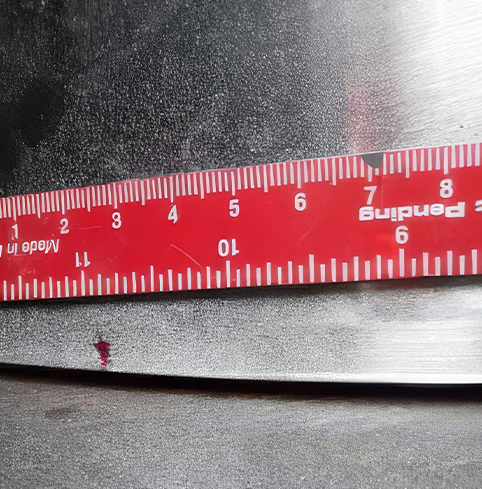

Turbine blades are essential components in gas and steam turbine systems. They operate under demanding mechanical, thermal, and aerodynamic conditions, making them vulnerable to different forms of wear and damage over time. Even minor surface defects can require careful evaluation to determine whether they affect component performance or structural integrity.
Turbine blade damage repair involves identifying the type and extent of damage, assessing component condition, and selecting an appropriate repair method. A structured inspection and repair approach helps operators manage equipment reliability while making informed maintenance decisions.
Why Is Turbine Blade Condition Important?
Turbine blades are designed to manage high-energy gas or steam flow and convert that energy into rotational movement. Their shape, surface condition, and structural integrity directly influence turbine operation.
Damage can affect airflow, component balance, and operating efficiency. More serious defects may increase mechanical stress or create risks for surrounding components.
Several factors can contribute to turbine blade deterioration, including:
- High operating temperatures and thermal cycling
- Mechanical stress and material fatigue
- Foreign object damage
- Corrosion and oxidation
- Erosion caused by particles or moisture
- Coating deterioration
- Vibration and abnormal operating conditions
Regular inspection helps identify visible changes and determine whether additional testing or repair evaluation is required.
Common Types of Turbine Blade Damage
Understanding the type of damage is an important first step in selecting a suitable repair approach.
See also: Natural Shampoo Bars: An Eco-Friendly Alternative for Everyday Hair Care
Cracks and Material Fatigue
Cracks may develop because of repeated thermal cycling, vibration, mechanical loading, or material fatigue. Their location, depth, and orientation influence how they should be evaluated.
Cracking near highly stressed areas may require detailed engineering assessment. Visual inspection alone may not establish the full extent of a defect, so additional non-destructive testing may be necessary.
Erosion and Surface Wear
Erosion occurs when particles, moisture, or high-velocity flow gradually remove material from blade surfaces. It can change the original blade profile and affect aerodynamic performance.
Inspection teams evaluate the affected areas to determine whether the material loss is within acceptable limits or requires further action.
Corrosion and Oxidation
Turbine blades operate in environments where elevated temperatures and chemical exposure can contribute to surface deterioration. Corrosion and oxidation may affect protective surfaces and, depending on severity, the underlying material.
The inspection process should identify affected areas and assess whether additional testing is needed.
Foreign Object Damage
Foreign object damage can occur when unwanted materials enter the turbine airflow path and strike internal components. The resulting impact may cause dents, nicks, deformation, or material loss.
The extent of damage should be evaluated carefully because the affected area may influence component stress and operating characteristics.
Coating Deterioration
Protective coatings help turbine components withstand demanding operating conditions. Coating loss, cracking, or separation can expose the underlying material to increased thermal and environmental stress.
Inspection findings help determine whether coating restoration or another approved repair procedure should be considered.
How Turbine Blade Damage Is Inspected
A reliable repair decision begins with a clear understanding of component condition. Inspection methods are selected according to the turbine type, material, defect location, and available access.
Visual Inspection
Visual examination helps identify surface defects, deformation, erosion, corrosion, and coating deterioration. Technicians inspect accessible blade surfaces and document visible abnormalities.
Borescope Inspection
Borescope equipment allows technicians to examine accessible internal turbine areas without extensive disassembly. It can help identify visible damage in locations that are difficult to reach through external inspection.
Professional borescope inspection services can provide useful visual information for turbine condition assessments.
Non-Destructive Testing
Non-destructive testing methods can help evaluate defects that may not be fully understood through visual examination.
Depending on the material and inspection requirements, suitable methods may include:
- Liquid penetrant testing: Helps identify surface-breaking discontinuities in suitable non-porous materials.
- Magnetic particle testing: Helps detect surface and near-surface discontinuities in ferromagnetic materials.
- Ultrasonic testing: Uses high-frequency sound waves to evaluate material conditions and identify certain internal discontinuities.
- Eddy current testing: Can help identify surface and near-surface flaws in electrically conductive materials.
The inspection method should be selected by qualified personnel based on the component and suspected defect.
Understanding Turbine Blade Blending
Blending is a repair technique used to remove or smooth certain localized surface imperfections. It may be considered for suitable forms of minor damage, such as small nicks or surface irregularities, when permitted by applicable engineering and manufacturer requirements.
The objective is to restore an acceptable surface condition while maintaining the component’s required geometry and dimensions.
When Is Blending Appropriate?
Blending may be suitable when damage is limited and the affected area meets established repair criteria. The decision depends on several factors:
- Damage location and dimensions
- Blade material and design
- Remaining material thickness
- Component stress characteristics
- Manufacturer repair limits
- Inspection and engineering findings
Not every damaged blade can be repaired through blending. Cracks, extensive material loss, severe deformation, and damage in critical areas may require different repair procedures or component replacement.
Why Dimensional Control Matters
Removing material changes the blade’s original profile. Therefore, blending must be performed with careful dimensional control.
The repaired surface should be evaluated to confirm that it remains within applicable engineering limits. Additional inspection may be necessary to verify the repair and check for remaining defects.
Other Turbine Blade Repair Considerations
The appropriate repair process depends on the type and severity of damage. In addition to blending, certain situations may require specialized repair procedures.
Coating Restoration
Where coating deterioration is identified, a suitable coating restoration process may be evaluated. The method must be compatible with the component material, operating environment, and applicable repair specifications.
Engineering Evaluation
More complex defects may require detailed engineering assessment. This can involve reviewing component dimensions, material condition, operating history, and inspection results before deciding whether repair is technically acceptable.
Component Replacement
When damage exceeds approved repair limits, replacement may be the appropriate option. Decisions should consider structural integrity, operating requirements, and manufacturer guidance.
The Importance of Professional Turbine Inspection Services
Turbine blade repairs require more than removing visible damage. The repair process must account for component geometry, material properties, operating conditions, and applicable engineering requirements.
Professional inspection teams help evaluate component condition and identify suitable next steps.
Advanced Turbine Support provides turbine inspection and maintenance support, including non-destructive testing services and hot gas path inspection services.
Hot gas path inspections can be particularly relevant when evaluating components exposed to elevated temperatures, including turbine blades, nozzles, and related combustion-section hardware.
Preventive Maintenance Practices for Turbine Blades
Preventive maintenance helps operators monitor component condition and identify developing concerns.
Useful practices include:
- Following manufacturer-recommended inspection intervals
- Monitoring vibration and operating temperature trends
- Reviewing performance data for unusual changes
- Inspecting components during scheduled maintenance
- Documenting defects and repair history
- Using appropriate non-destructive testing methods
- Addressing identified abnormalities through qualified engineering procedures
A consistent maintenance program helps establish a record of component condition and supports more informed repair planning.
How to Choose a Turbine Blade Inspection and Repair Provider
Choosing a qualified service provider is important for ensuring that inspection findings and repair recommendations are based on appropriate technical evaluation.
Consider these factors when selecting a provider:
- Turbine experience: Look for experience with the relevant gas or steam turbine type.
- Inspection capabilities: The provider should have access to suitable visual inspection and non-destructive testing methods.
- Qualified technicians: Personnel should have relevant training and inspection experience.
- Technical documentation: Reports should clearly describe findings and support maintenance decisions.
- Engineering awareness: Repair recommendations should consider component limits and applicable manufacturer requirements.
A provider with broader turbine inspection capabilities can also help coordinate additional assessments when damage requires further investigation.
Conclusion
Turbine blade damage repair requires a systematic approach that begins with inspection and defect evaluation. Cracks, erosion, corrosion, foreign object damage, and coating deterioration can affect component condition in different ways, so each finding must be assessed according to its location and severity.
Blending may be appropriate for certain minor surface defects, while more serious damage can require specialized repair procedures, engineering evaluation, or replacement. Combining visual inspections, suitable non-destructive testing, and preventive maintenance helps turbine operators make informed decisions and support reliable equipment operation.